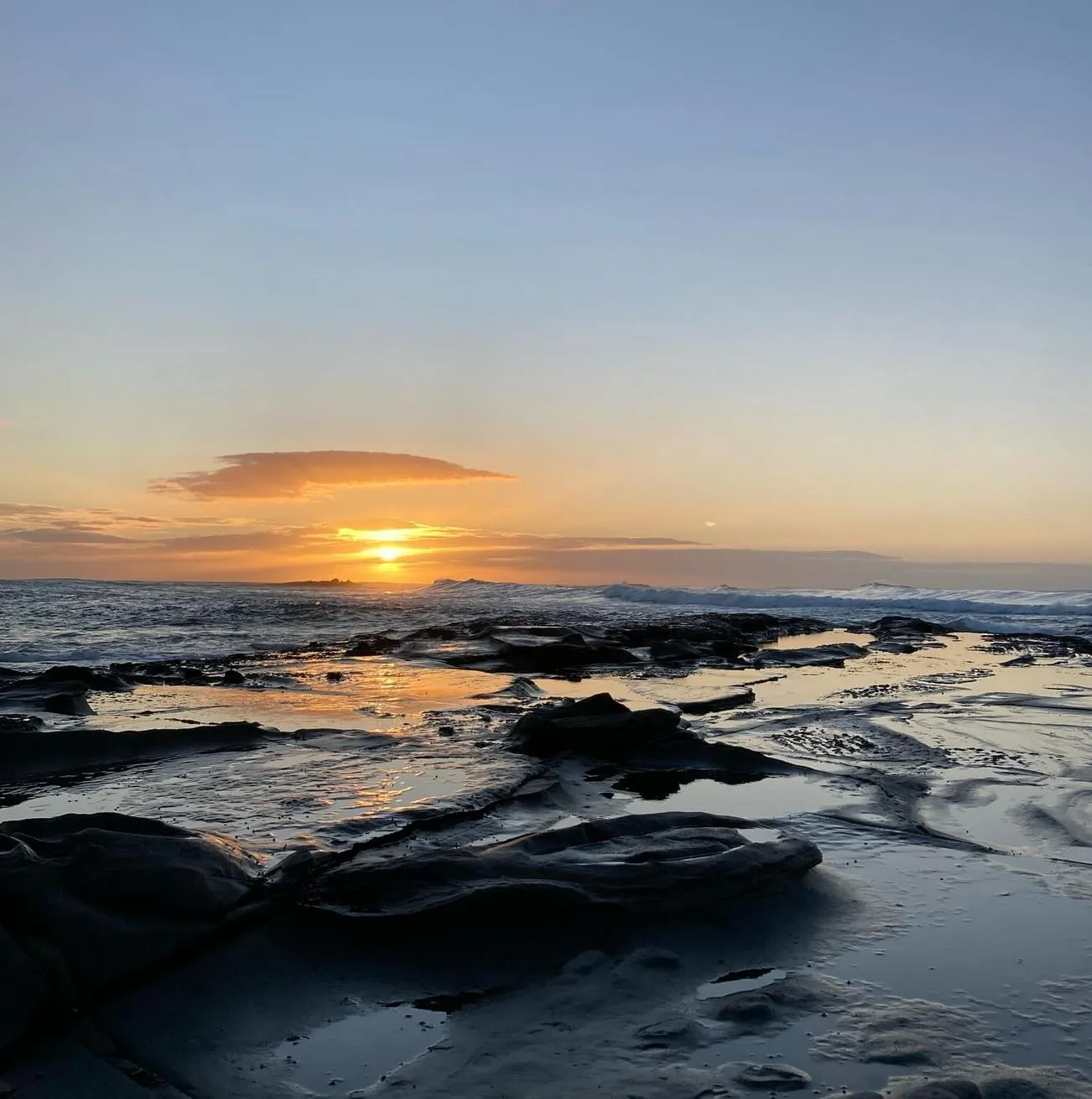
You’ve seen the pics: limestone stacks rising from crashing waves, a ribbon of highway hugging the cliffs, and tourists grinning into a salt-laced breeze. But here’s the thing they don’t always tell you in brochures: the ocean you’re looking at along the Great Ocean Road is the Southern Ocean. Not the Indian. Not the Pacific. The Southern bloody Ocean. And if you’ve ever stood on those cliffs during a winter storm you’d feel it in your bones.
Let’s break down why that matters, how it affects the experience and what it means for your road trip planning — from surf breaks to seasonal conditions.
The Southern Ocean

Australia’s southern coast is lapped by the Southern Ocean, which officially starts south of 60°S according to some international definitions. But here in Australia? We’ve always called the waters south of the continent the Southern Ocean and for good reason: they’re wilder, colder and more aggressive than the Indian or Pacific. Ask any local surfer from Torquay to Port Campbell.
When you drive the Great Ocean Road you’re hugging the edge of this ocean from start to finish:
- Torquay to Apollo Bay: Big swell, world-class surf beaches like Bells Beach
- Cape Otway: A rugged headland jutting into the open Southern Ocean
- Port Campbell National Park: Home to the Twelve Apostles, carved by the relentless Southern Ocean
It’s this ocean that gives the road its drama, mood swings and yes, the occasional case of windblown regret if you forgot your jacket.
A Great Ocean Road trip isn’t just about ticking boxes — it’s about surrendering to the elements and letting the road tell its story.
How the Ocean Shapes the Experience
1. The Climate: Four Seasons in a Day, Every Day
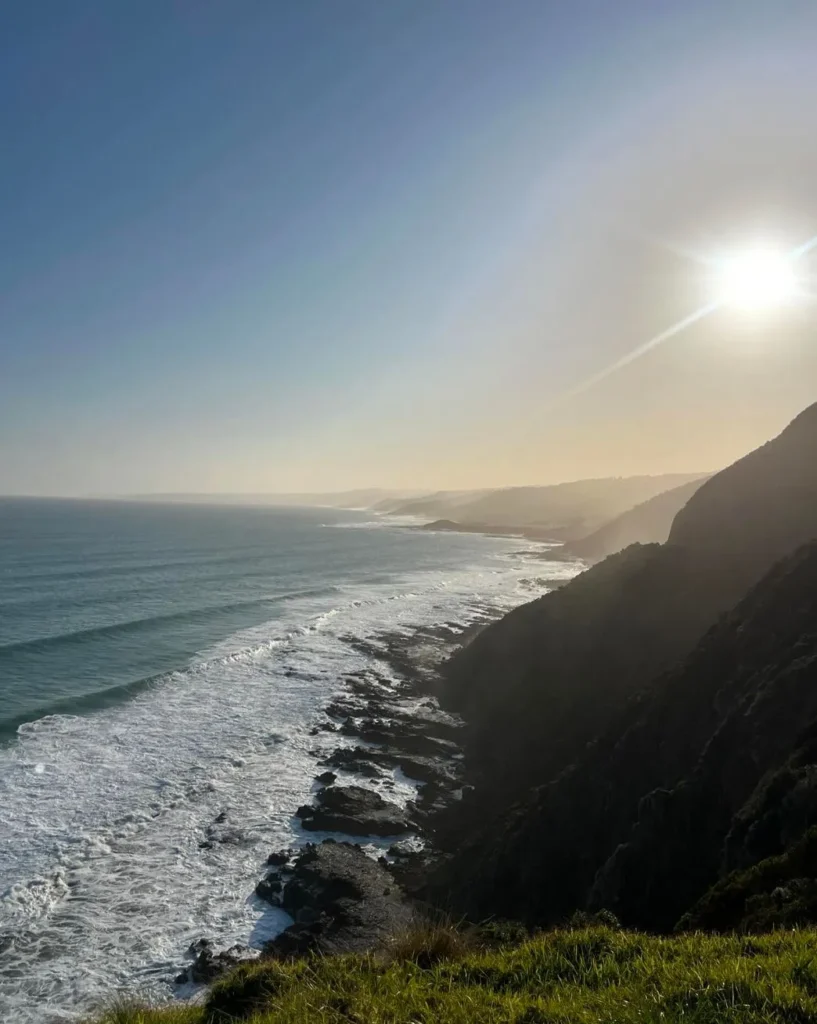
That wind? Southern Ocean. The mist on the cliffs in spring? Ocean again. This stretch gets hit by Antarctic weather systems, especially in winter. Here’s how that plays out seasonally:
- Summer (Dec-Feb): Best weather for road-tripping, still cool and breezy
- Autumn (Mar-May): Epic sunsets and quiet roads, pack layers
- Winter (Jun-Aug): Wild, woolly and great for storm watching — some days you’ll feel like the wind might pick you up
- Spring (Sep-Nov): Moody skies and wildflowers, sideways rain possible
If you’re from the Gold Coast or Darwin, this will feel like Scotland with gumtrees.
2. The Surf: Home of Bells Beach and Big Swell Energy
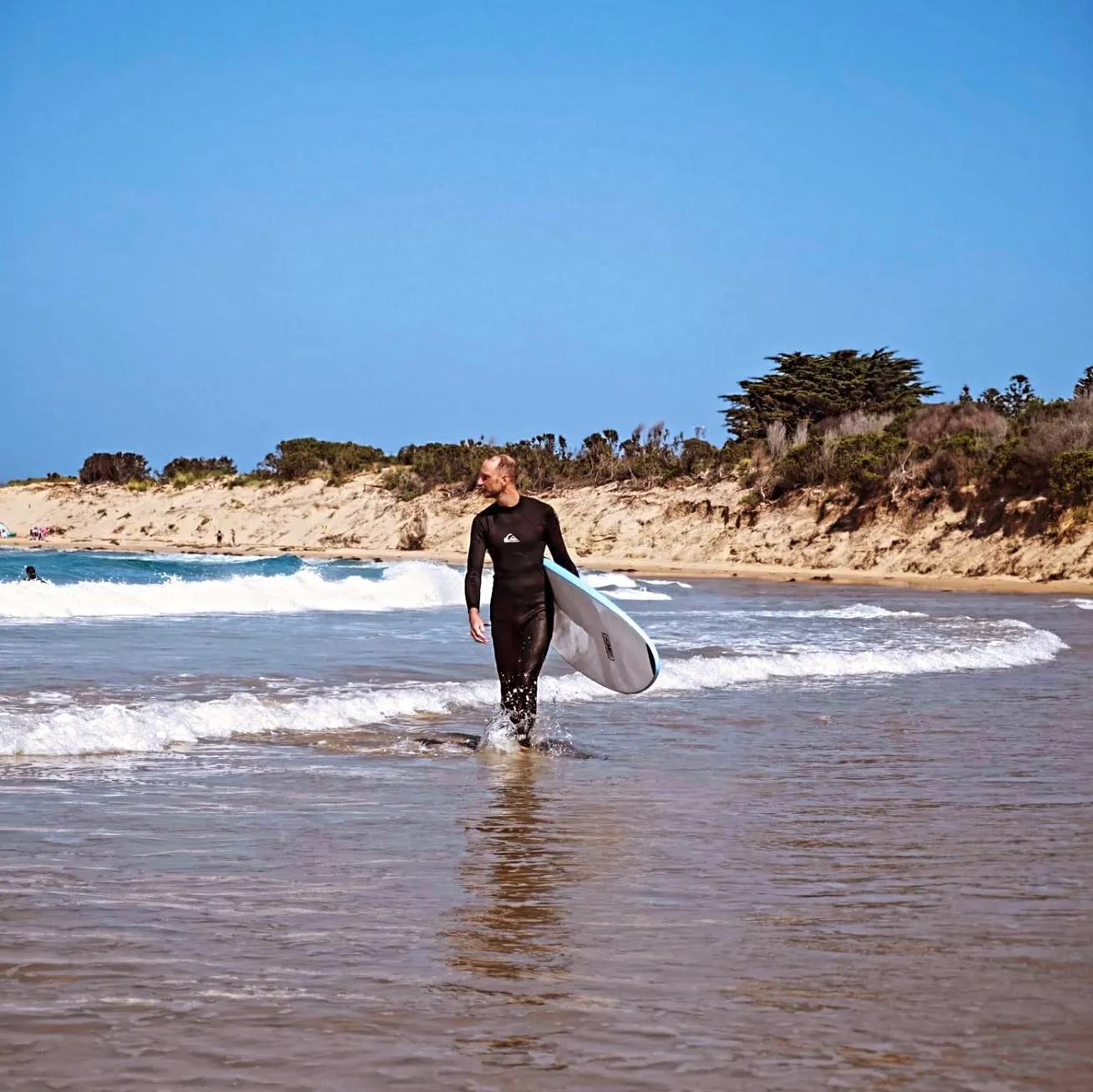
Ever heard of the Rip Curl Pro? It’s held at Bells Beach just outside Torquay, one of the world’s most famous surf breaks. The Southern Ocean sends long-period swells that light up breaks all along this coast. It’s a mecca for water sports lovers chasing waves across stunning beaches.
If you surf, bring your gear and a thick wetsuit. If you don’t, stop at a lookout and watch locals paddle into 10-footers while your coffee goes cold.
Nothing says ‘bucket list’ quite like seeing those waves on a Great Ocean Road day trip from Melbourne.
3. The Wildlife: Sea Dragons, Seals and the Occasional Whale
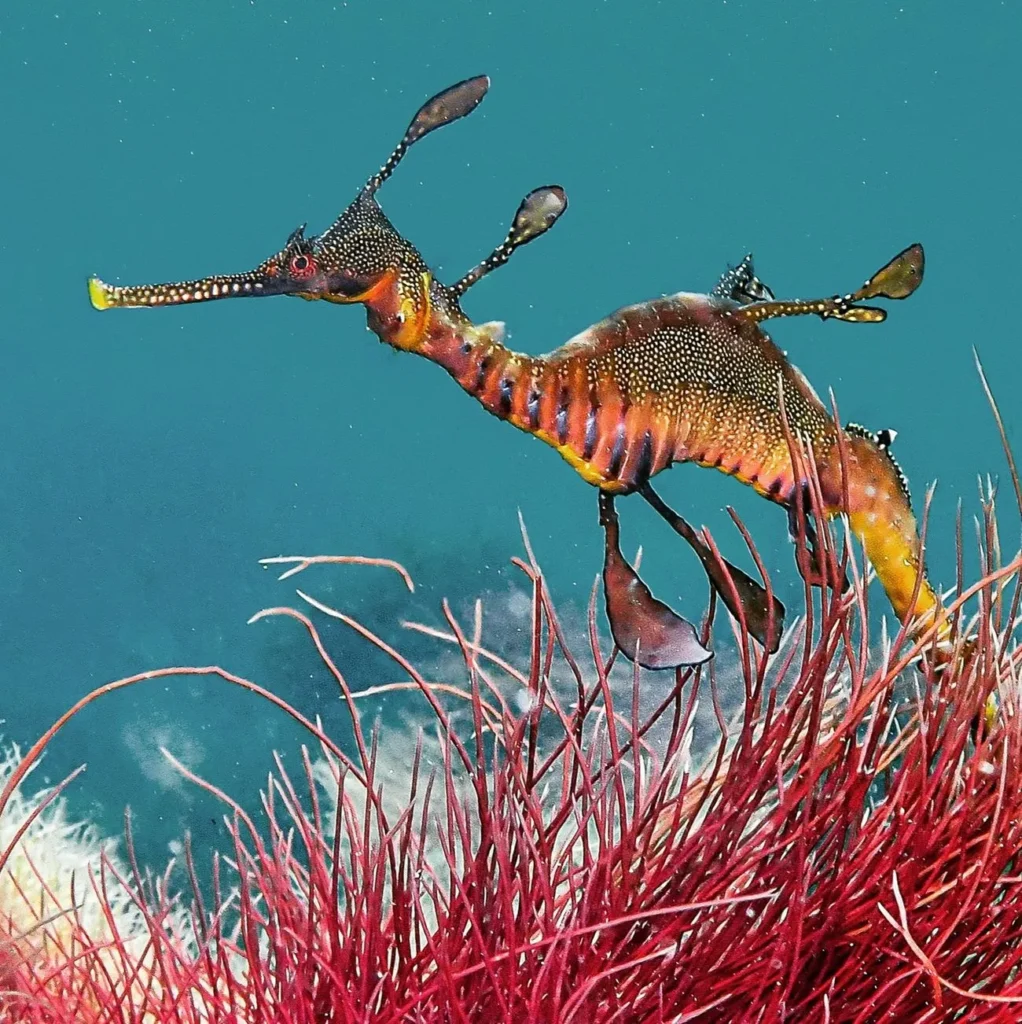
This ocean isn’t just pretty — it’s alive. Keep your eyes out for:
- Southern right whales in winter (June to October)
- Australian fur seals sunbaking near the cliffs
- Weedy sea dragons if you’re into diving or snorkelling
- Birdlife everywhere, especially around wetlands and cliff tops
Tip: Bring binoculars and patience. Nature shows up on her own schedule.
Trip Planning
Pack Smart: It’s Not a Tropical Holiday
Bring:
- Windproof jacket
- Layers (merino is your friend)
- Closed shoes (thongs are for the car, not cliff walks)
- A decent thermos
- A camera with a zoom lens for whales and seals
Choose Your Stops: Let the Ocean Set the Mood
Some highlights shaped by the ocean:* The Grotto: A sinkhole rockpool with mirror-like reflections — one of many natural wonders along this drive
- London Bridge: Nature does demolition better than any wrecking crew
- Loch Ard Gorge: Named after a shipwreck in the “shipwreck coast” waters
These natural attractions are best when the tide and weather cooperate, so hang around or come back later.
A Great Ocean Road day trip is best done unhurried — let the ocean and the road surprise you.
Know the Risks: This Ocean Doesn’t Mess Around
- Rip currents are real and deadly. Swim at patrolled beaches only.
- Cliff edges collapse. Stay on fenced paths.
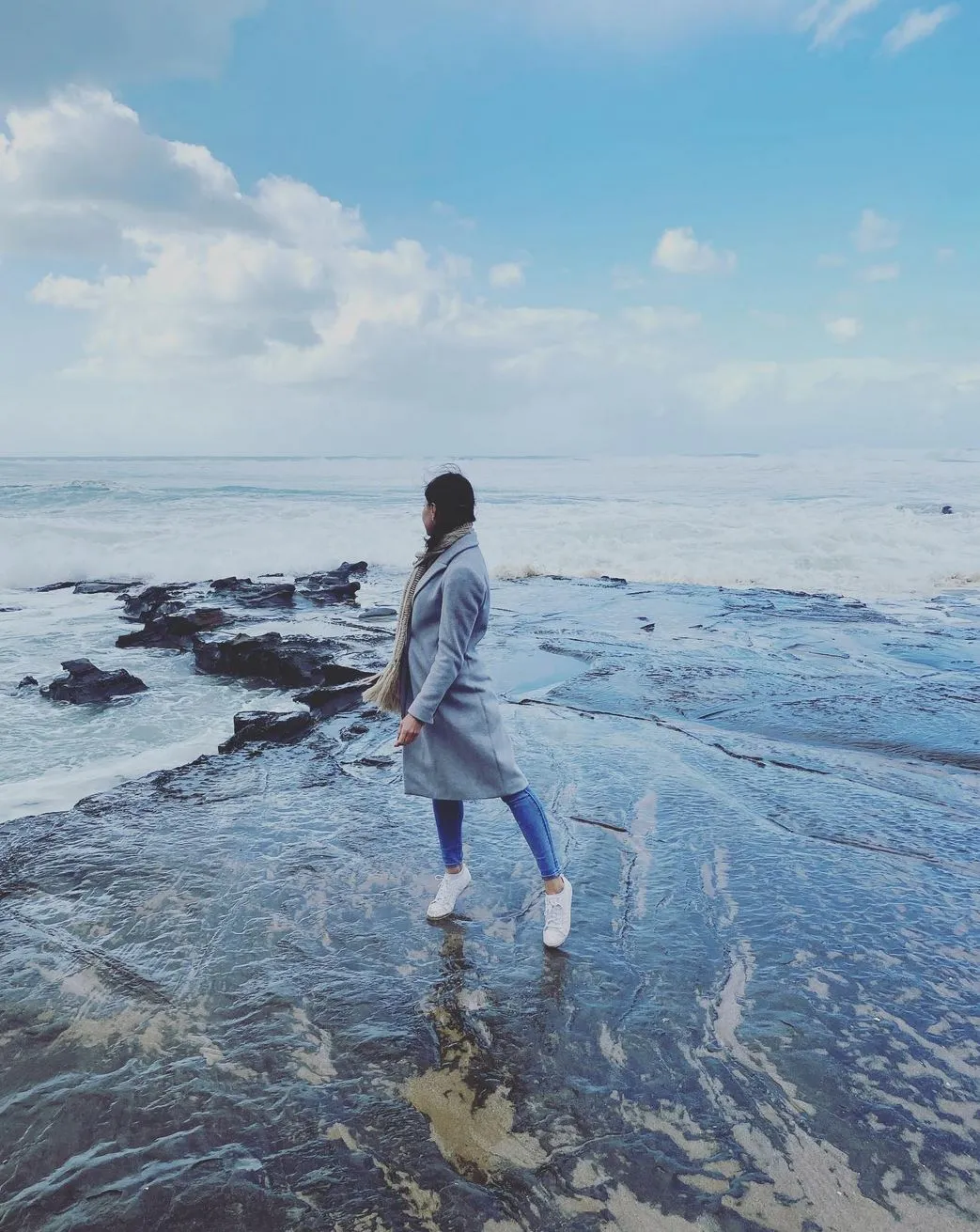
- Waves can and do overflow platforms. That Instagram selfie isn’t worth a news headline.
As we say on tour: respect the sea, or she’ll remind you who’s boss.
The Human Landscape
The Great Ocean Road isn’t just about the rugged coastlines and ancient rainforest. It runs through charming seaside towns, fishing villages and towns, and historic towns with heritage hotels, old buildings and that atmosphere where locals still outnumber the tourists (just).
- Lorne: A beach town with calm waters and a busy foreshore
- Port Fairy: All charm, with cobblestone streets and heaps of attractions nearby
- Apollo Bay: The entrance to the Otways and rainforest trails
Along this beach route, expect beach access tracks, lookouts and beach moments at sunset for postcards.
No Great Ocean Road tour is complete without pulling into a coastal town pub for a feed and a chat.
Final Thought
You might come for the road trip, the rainforest walks or the vanilla slice in Lorne. But it’s the Southern Ocean that ties it all together. It shapes the land, the weather, the wildlife and the whole moody magic of this coastal drive.
So next time someone tells you the Great Ocean Road borders the Indian Ocean, give ‘em a wink and say, “Close, mate. But not quite.”
Got a Southern Ocean story or favourite stop? Drop it in the comments — I’m always updating my maps.
Whether you’re chasing coastal views, exploring caves, admiring coastlines or soaking up an action-packed adventure along the Australian coast, this scenic route has beautiful roads, natural environments and one hell of an Aussie adventure. The Great Ocean Road trip is a rite of passage for road trippers who want serenity and surf.
FAQ
Is it the Southern Ocean or the Indian Ocean?
In Aussie terms, it’s the Southern Ocean. Some international maps may lump it into the Indian, but ask any local: those icy winds and long swells are Southern through and through.
Can you swim along the Great Ocean Road?
Yes, but carefully. Go to patrolled beaches like Apollo Bay or Lorne. The ocean here is known for rips and cold temperatures. Always check conditions.
When’s the best time to drive the Great Ocean Road?
Autumn is my pick: fewer crowds, soft light, and a good mix of calm days and wild ocean drama. Summer is easier weather-wise, but busier.
What causes the dramatic cliffs and stacks like the Twelve Apostles?
Erosion, mate. The Southern Ocean never stops. It carves out soft limestone over centuries, turning the coast into cliffs and cliffs into sea stacks. These rock stacks are among the most photographed natural features in the country.
Does the ocean affect driving conditions?
Definitely, coastal fog, spray and slick roads can creep in fast. Always drive to conditions, especially in winter and spring. And keep your eyes on the road — the view will still be there at the next pull-over bay.